*Overseas model shown
Discover the practical world of BMW plug-in hybrid vehicles. They provide you with complete flexibility for everyday life and travel, thanks to their combination of electric motor and combustion engine. Find out more about the wealth of benefits offered by these innovative vehicles.
BMW Plug-in hybrid models.
SUV (4)
Sedan / Touring / Active Touring (2)
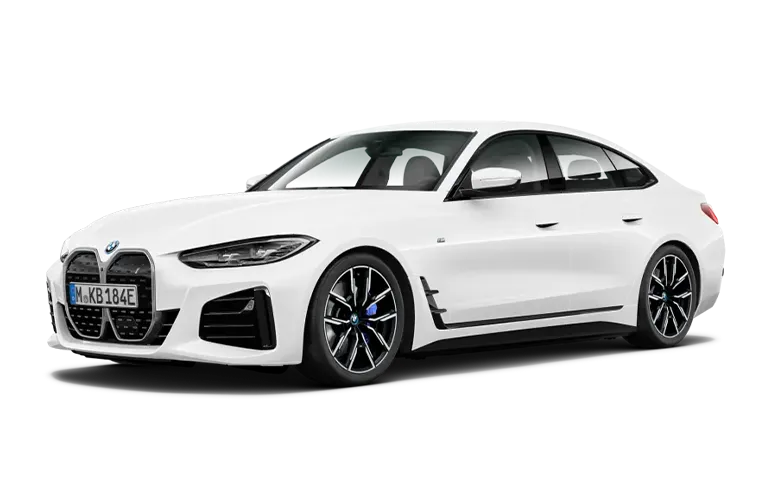
i4 eDrive40 Gran Coupé
Electric Range (WLTP)(2)
520 km
DC charging time (10-80% state of charge)(3)
0:30 min
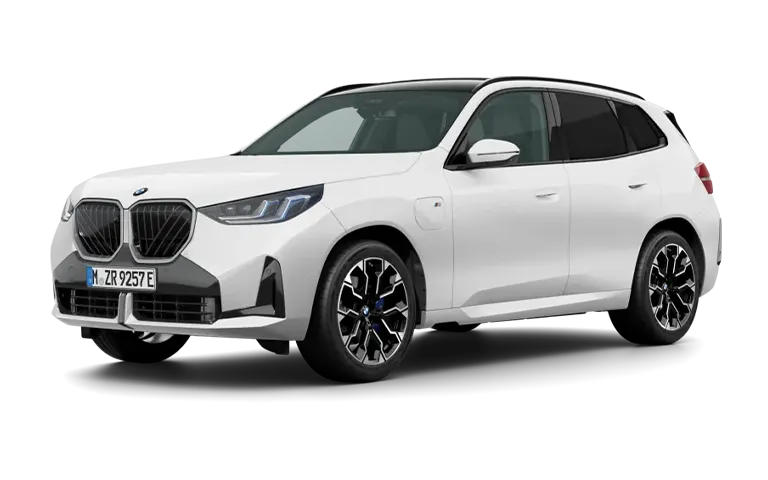
BMW X3 30e xDrive
Electric Range1
Up to 91 km
AC min. charging time (0-100% state of charge)2
2:15 h
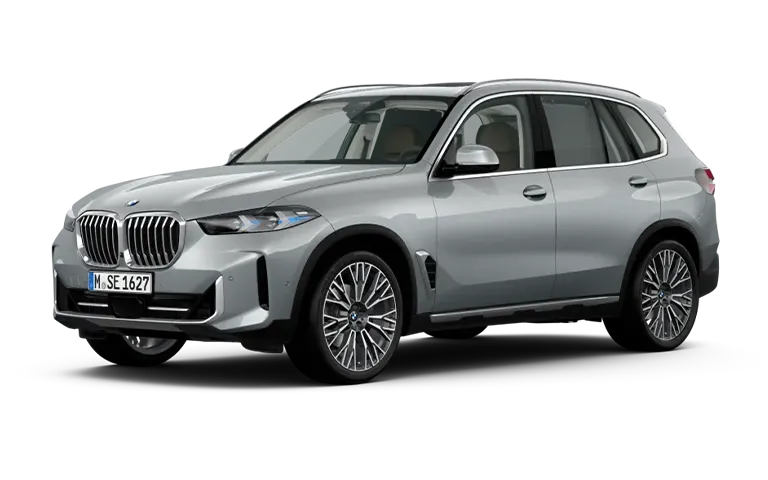
BMW X5 xDrive50e
Electric Range1
Up to 101 km
AC min. charging time (0-100% state of charge)2
2:45 h
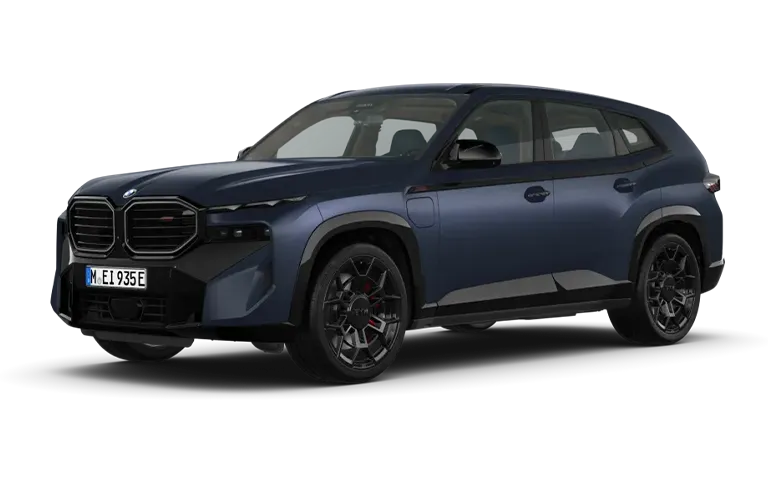

BMW XM Label
Electric Range1
Up to 98 km
AC min. charging time (0-100% state of charge)2
2:45 h
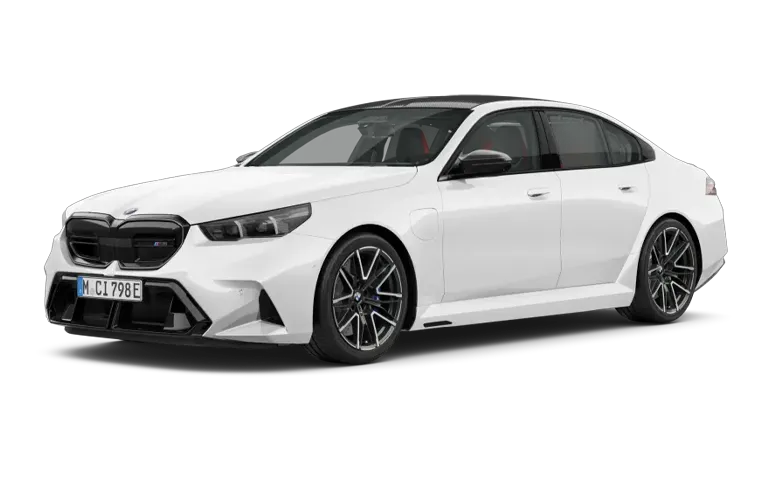
BMW M5 Sedan
Electric Range1
65 km
AC min. charging time (0-100% state of charge)2
2:15 h
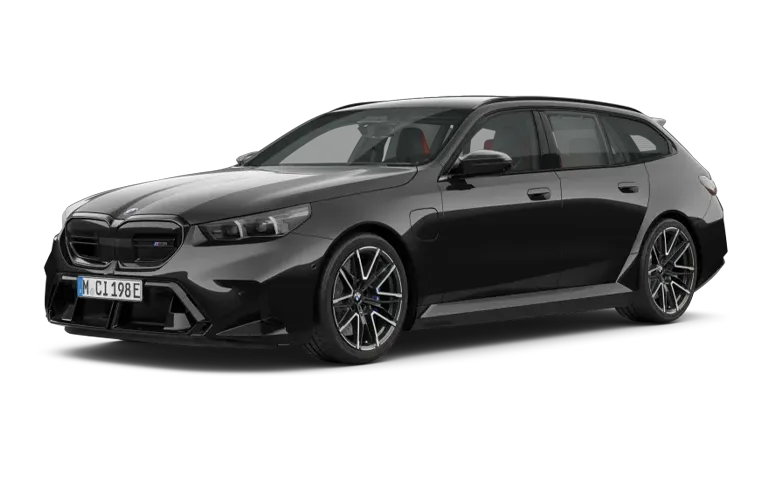
BMW M5 Touring
Electric Range1
65 km
AC min. charging time (0-100% state of charge)2
2:15 h
Flexible. Intelligent. BMW hybrid.
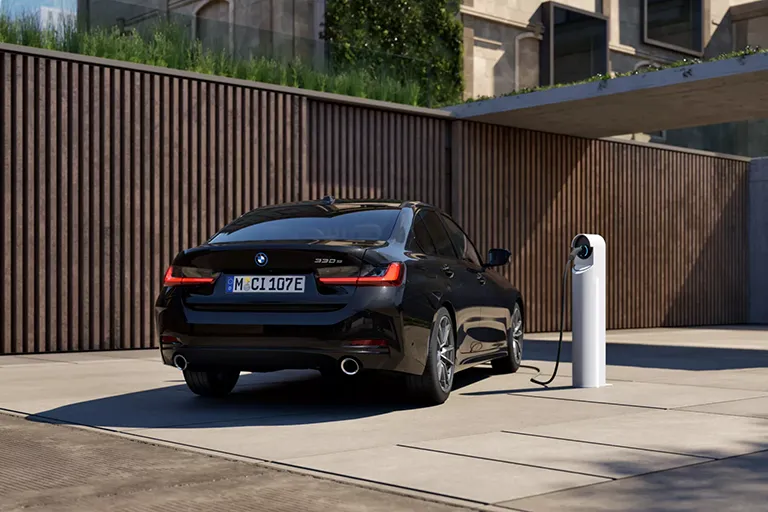
Complete flexibility.
Conveniently charge your vehicle throughout Australia within one of the largest charging networks. Cover distances of up to 100 kilometres emission-free by using the electric motor. The combustion engine automatically kicks in when you need it to.
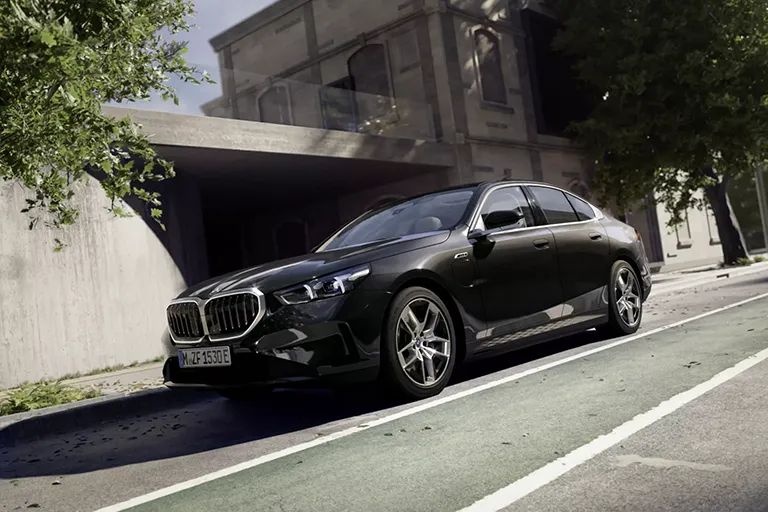
Recover energy when coasting or braking.
Your vehicle regenerates energy when you brake or take your foot off the accelerator. This, in turn, converts kinetic energy into electricity, which charges your battery and increases the range of the plug-in hybrid.

Battery optimisation and convenience.
Precisely set the temperature inside your car in advance. Preconditioning your stationary vehicle is a practical feature, both in summer and in winter. You and your passengers will benefit from enhanced comfort in the vehicle at the start of your journey.
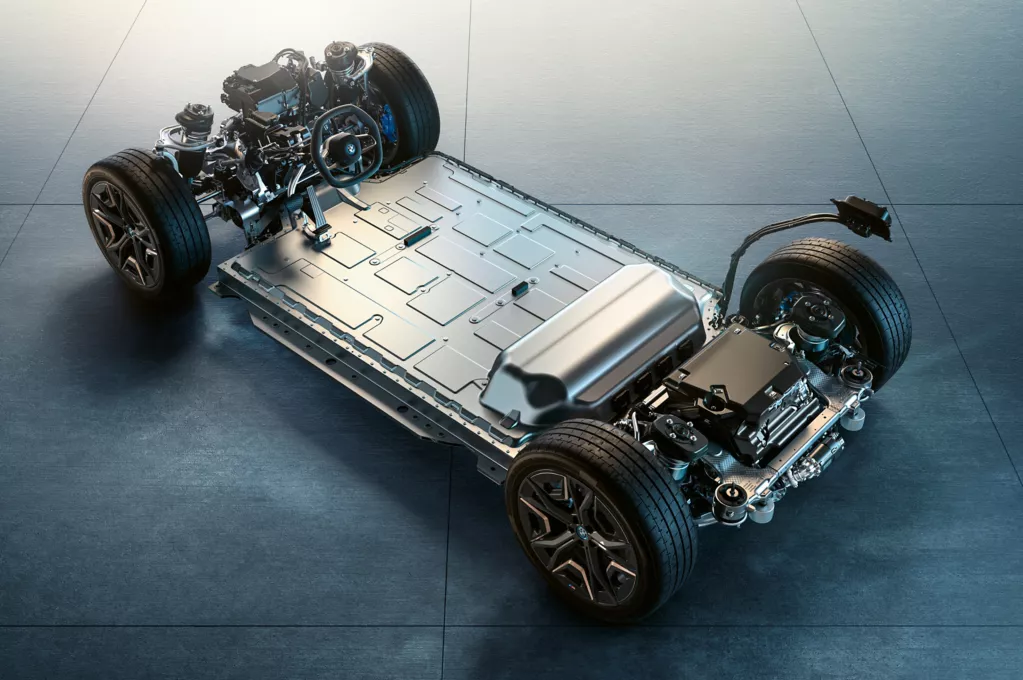
How plug-in hybrids work.
Plug-in hybrid cars have two drives: a combustion engine and an electric motor. They power the hybrid car individually or together. The battery can be charged externally, just like a fully electric car. However, the battery is also charged while you drive, for instance when you brake, as the electric motor acts as a generator.
The benefits of hybrid vehicles.

Lower emissions.
Plug-in hybrid vehicles are more environmentally friendly than conventional petrol and diesel vehicles. They cover distances of up to 100 km purely on electricity, and are thus locally emission-free, reducing your carbon footprint on the road.

Long range.
Plug-in hybrid vehicles adapt to your everyday life. If the fully electric range is insufficient for your journey, then the combustion engine automatically kicks in. This makes plug-in hybrids more flexible on longer journeys and independent of the regional charging infrastructure.

Convenient electric car charging at home.
Simply and easily charge a plug-in hybrid vehicle at home, just like an all-electric car. Clearly this is practical, at the same time saving costs and CO2 emissions compared to a combustion engine vehicle. So now you can simply and conveniently enjoy the benefits of environmentally-conscious mobility.
Efficient charging for plug-in hybrids.
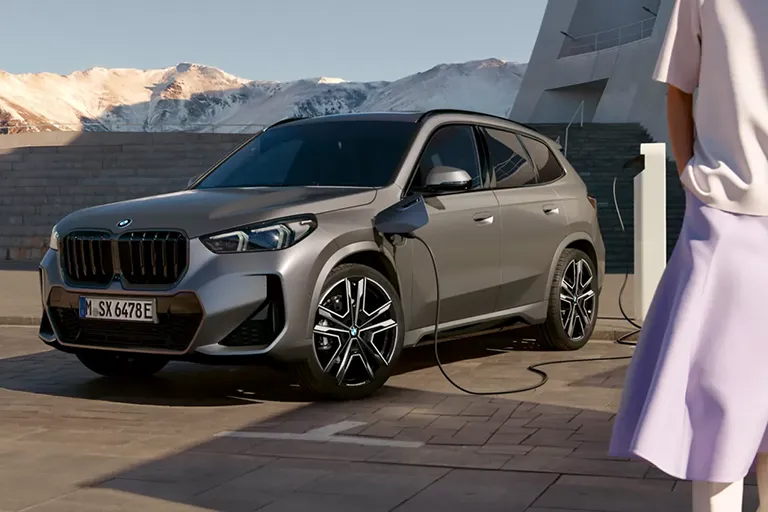
Flexible. Charge when travelling throughout Australia.
Quickly charge at any time on the go. With the optional (mode 3) charging cable. Charge your plug-in hybrid at public charging stations across Australia. Do your errands while your vehicle is charging. Many supermarkets, restaurants and public car parks now have charging stations. So now you can enjoy the benefits of your electric drive wherever you happen to be.
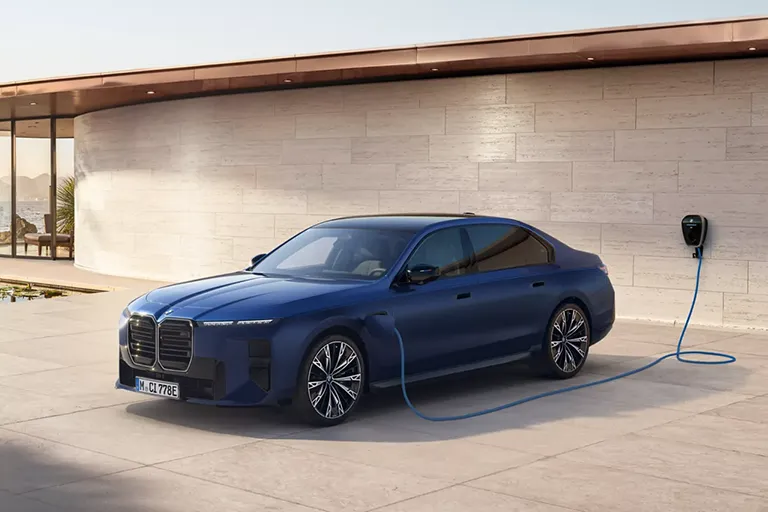
Practical. Simply charge at home.
Simply and easily charge your plug-in hybrid vehicle at home, just like a fully electric car. The BMW Wallbox is the intelligent charging solution for your home. Charge your hybrid car regularly to enjoy the benefits of fully electric driving in everyday life.
Frequently asked questions.
What is a plug-in hybrid?
A plug-in hybrid electric vehicle (PHEV) combines a combustion engine, an electric motor, and a high-voltage battery – giving you the best of all worlds. So, you reduce your fuel consumption and local CO2 emissions. These two systems work in harmony to deliver additional performance and more powerful acceleration.
A plug-in hybrid can be charged at a power socket, home wallbox, or public charging station. Plug-in hybrids are at their most efficient with a well-charged battery, and so you should ideally make sure that you have access to a charger at home or at other destinations you visit frequently, such as at your place of work.
With a full battery, the fully electric range can be up to 110 kilometres1 with the BMW X5 xDrive50e or up to 102 kilometres1 with the BMW 530e sedan. During recuperation, or regenerative braking – i.e., whenever you take your foot off the accelerator – kinetic energy is converted into electricity and is stored in the battery, extending your electric range.
BMW wants to give customers a choice by being open to technology. BMW therefore offers a wide range of plug-in hybrid cars to enable customers to consciously opt for this extremely efficient drive system.
A plug-in hybrid car is ideal for drivers looking for maximum versatility. On the one hand, it has an electric drive for everyday driving, such as cost-effective and sustainable commuting to work. A fully electric drive is ideal for regular medium-length commutes. On the other hand, these vehicles offer long range and flexibility for long distances, such as weekend trips.
1 Range is dependent on different factors, including personal driving style, the type of route, outside temperature, heating/air conditioning, preconditioning.
What is a mild hybrid?
Mild hybrids are internal combustion engine vehicles that are complemented by an electric motor. Braking generates electrical energy that supports the internal combustion engine and the electrical systems of the vehicle. While plug-in hybrids are designed for high-voltage technology, mild hybrids have a 48 V vehicle electrical system. Electric driving is usually not possible. The power of a mild hybrid's electric motor is comparatively low. However, its driving dynamics are sportier and its acceleration more powerful. In many situations, the vehicle is able to coast without consuming energy. Coasting reduces consumption. Unlike plug-in hybrid vehicles, the battery of a mild hybrid is only charged by the electric motor as a generator. Often, the electric motor alone is enough for BMW plug-in hybrid electric vehicle (PHEV) models to cope with inner-city traffic. However, their range is dependent on different factors: in particular, a person's driving style, the characteristics of the route and outside temperature, as well as heating/air conditioning and pre-temperature setting.
How do hybrid cars work?
A plug-in hybrid electric vehicle (PHEV) has both a combustion engine and an electric motor. Plug-in hybrid cars are driven by an electric motor. Their high-voltage battery is charged via an external power source, for example a public charging station or via a BMW Wallbox at home. When the high-voltage battery is empty, the vehicle switches automatically to its combustion engine, which then powers the vehicle.
One of the benefits of a plug-in hybrid is that you can drive fully electrically, quietly, and emission-free. Significantly lower your fuel consumption by regularly charging with electricity.
When does a plug-in hybrid make sense?
A plug-in hybrid electric vehicle (PHEV) is worthwhile if you actually use its electric drive, which then allows you to drive locally emission-free. With their high proportion of electric driving, plug-in hybrids are significantly more environmentally friendly than pure diesel or petrol vehicles. The battery is constantly recharged to some extent through recuperation (brake energy regeneration). You therefore need to charge a plug-in hybrid car regularly to use its electric drive as often as possible. Many plug-in hybrid electric vehicles now have a range of over 100 km and so are ideal for both urban and rural driving. If you are the sort of person who tends to worry about your range when travelling, you'll feel much more relaxed with a hybrid and can use its combustion engine for longer journeys.
What happens if you don't charge a plug-in hybrid?
If you don't charge your plug-in hybrid, you can use the vehicle like a conventional petrol-powered vehicle. The electric motor will provide assistance when required and converts braking energy into electrical energy through recuperation, or energy recovery.

The cost of an electric car.
What does it cost to charge an electric car? Find out if an electric car makes sense for you.
More information.

Test drive the BMW model of your choice.
Would you like to experience for yourself how your ideal electric model drives and feels? Simply arrange an online appointment for a test drive when it suits you. Your local BMW partner will contact you with all the information you need.

Would you like a personal consultation?
Please contact your our dealership with any questions or for more information or a quotation. Our professional BMW service personnel will be happy to advise you by phone or in person.

BMW Customer Support.
BMW Customer Support is on hand to help you with all BMW related issues – so that you get answers to all your questions: whether you're an existing BMW driver or are planning to purchase a new BMW.

BMW Online Genius can help.
Still got questions? The BMW Online Genius has all the answers. Find all the answers to the most frequently asked questions. Simply type in your questions or browse by category.
Enquire Now
1 Fuel consumption, CO2 emissions data, electrical consumption and range is based upon Combined Driving Test Cycle in accordance with ADR 81/02 on purpose built test vehicles. Actual figures will depend on many factors including traffic conditions, driving habits, prevailing conditions and your vehicle’s equipment, condition and use. These figures should not be expected to be achieved in real world driving conditions and should only be used for comparing one vehicle with another. Please contact your preferred authorised BMW dealer or BMW Group Australia for information on vehicles that are available for sale, and the various specifications and options of vehicles that are available.
2 The charging performance depends on vehicle equipment, the state of charge and health of the battery, battery temperature, individual driving profile, use of auxiliary users, ambient temperature, the charging power provided at the charging station. At temperatures below freezing, the fully electric drive system is only available after a few kilometres of driving, once the battery has heated to operational temperature.